Can luck alone determine your casino fate?
The Role of Luck in Casino Games
Luck is often heralded as the driving force behind wins in casino environments. In games such as slots and roulette, outcomes seem purely random, which gives the impression that luck could be the sole determinant of success. Players enter with the hope that fortune will favor them, yet the results are predominantly beyond their control. Statistical probability plays a significant role in these games, underscoring that while luck may influence short-term wins, it’s unlikely to be the only factor in achieving lasting success. This often leads players to question whether they can truly rely on luck alone when they sit down to play, and many seek the best online casino experiences to enhance their chances.
The concept of luck is deeply rooted in the psychology of gambling. Many players believe in lucky numbers, rituals, or charms that they think might sway fate in their favor. For instance, a player might choose a specific slot machine that has a reputation for high payouts, relying on the notion that their luck will shine through at that moment. However, these beliefs do not change the underlying odds of the games; they simply highlight how the unpredictability of luck can impact individual experiences at the casino. Yet, it’s essential to recognize that these thoughts can lead to impulsive decisions, often resulting in greater losses.
Despite luck’s chaotic nature, it is vital to recognize that casinos employ their own systems to ensure profitability. Games are designed with a house edge, which ultimately helps casinos maintain a winning percentage over time. Therefore, while luck can provide thrilling moments of unexpected wins, it is essential for players to understand that long-term success is more likely to align with strategic play rather than relying solely on fortune’s favor. The misconception that luck can consistently lead to wins can cloud judgment and make players vulnerable to financial risks.
Skill vs. Luck: A Closer Examination
In many casino games, the argument for skill as a determinant of success becomes increasingly relevant. Games such as poker or blackjack involve strategic decision-making, where player skills directly affect outcomes. In these instances, luck plays a role, but a player’s ability to read opponents, calculate odds, and manage their bankroll can shift the odds in their favor. This nuance reveals that while luck may initiate a game, skill can influence the trajectory of the game more powerfully. Skills can be honed through practice and experience, which sometimes makes all the difference in competitive environments.
Take poker as a prime example; while drawing a favorable hand relies on chance, a skilled player understands how to leverage that hand through strategic betting and psychological tactics. Over a series of games, skillful play may lead to more consistent wins than sheer luck could ever provide. For this reason, serious players dedicate time to studying strategies and developing their skills, recognizing that these efforts can yield greater returns in the long run. This investment in skill development stands in stark contrast to the reliance on luck alone, emphasizing the importance of knowledge in gambling.
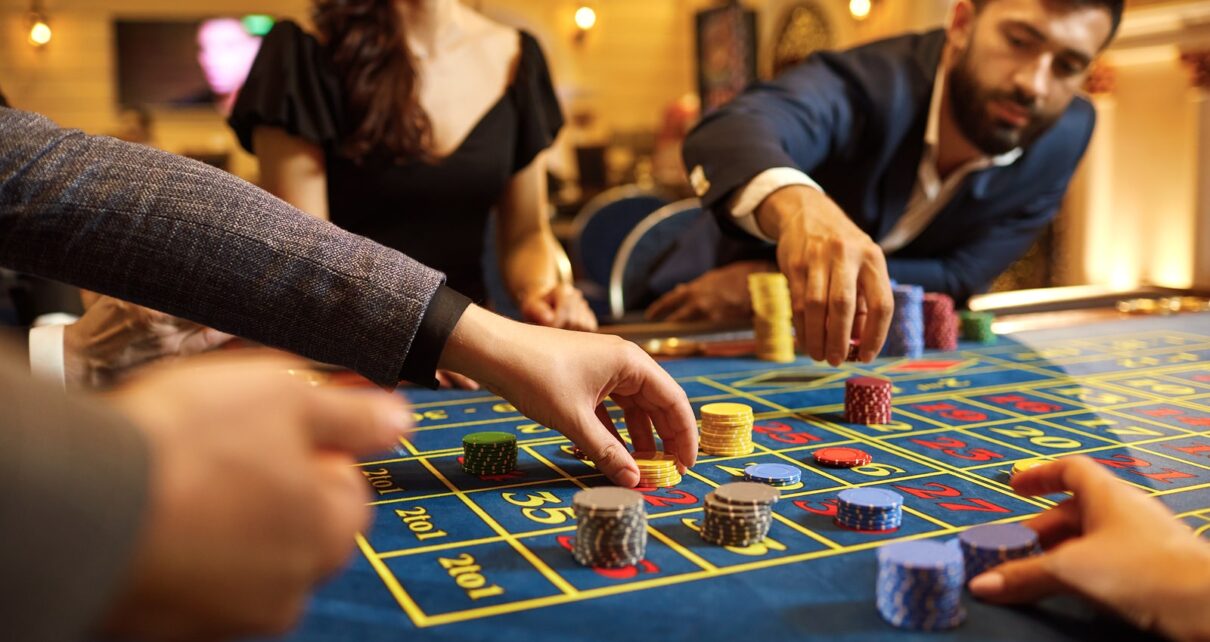
It is essential to balance the interplay between luck and skill. Many gamblers may find themselves at the mercy of chance in the short term, but the seasoned players who employ strategic thinking and adaptation can often rise to the top over time. This dynamic emphasizes that while luck influences immediate results, skill tends to create pathways to more sustainable success in the casino arena. Therefore, players should focus on enhancing their skills while acknowledging the role of luck in their overall gambling experience.
The Psychological Aspect of Luck in Gambling
The psychological impact of luck plays a crucial role in gambling behavior. Players often experience cognitive biases that affect their perceptions of luck and outcomes. The “gambler’s fallacy,” for example, leads many to believe that previous outcomes will influence future results. This thought process can cause players to continue gambling in hopes of recovering losses, driven by the belief that their luck is bound to change. Such psychological factors underline how the perception of luck can lead to a cycle of behavior that may not align with reality, creating an illusion that can be hard to break.
Additionally, the thrill of the unknown is a significant aspect of gambling that keeps players engaged. The anticipation of a big win or the hope that luck will finally change can lead to prolonged play, despite negative outcomes. This excitement often overshadows the understanding that gambling is inherently risky and that luck, while enticing, can disappear as quickly as it arrives. Recognizing the psychological dynamics at play can help players remain mindful of their limits and the gamble they undertake, fostering a healthier relationship with gambling.
Furthermore, casinos understand these psychological triggers and often create environments that enhance the allure of luck. Bright lights, enticing sounds, and the overall atmosphere contribute to the belief that fortunes can change at any moment. It’s essential for players to remain aware of how these psychological elements influence their behaviors and decisions, ensuring that luck does not dictate their gambling journey indiscriminately. By cultivating awareness of these influences, players can make more informed choices and avoid falling prey to impulsive decisions driven by psychological triggers.
The Impact of Casino Design on Luck Perception
Casino design significantly impacts how players perceive luck and its role in their gaming experiences. The layout of the casino, from the placement of slot machines to the arrangement of tables, is strategically crafted to maximize the sense of excitement and potential for winning. This careful design can create an illusion of luck being more prevalent than it truly is, drawing players deeper into the experience. The positioning of high-payout machines near entrances or in crowded areas serves to entice players and reinforce the idea of luck being just around the corner, often leading to extended play and increased spending.

Moreover, the incorporation of vibrant colors and sounds further intensifies the perception of luck and winning. When players win, the celebratory sounds and flashing lights create a euphoric atmosphere, reinforcing the belief that luck favors them. This sensory experience can distort reality, making it seem as though wins are more frequent than losses, and thus encouraging continued play. The psychological reinforcement of success can lead players to chase after that feeling, further intertwining the concepts of luck and casino design. This can create a feedback loop, where the perception of luck influences behavior and potentially leads to problematic gambling.
As such, understanding the strategic components of casino environments can empower players to make wiser choices about their play. Recognizing that casinos are engineered to amplify the perception of luck can help individuals maintain a more balanced and realistic approach to gambling. It is crucial to navigate these designs mindfully and to be aware of how they can influence one’s decisions and perceptions regarding luck and outcomes. By remaining vigilant against these design elements, players can mitigate the risks associated with gambling and enhance their overall experience.
Your Journey in the World of Luck and Casinos
When embarking on your journey in the casino scene, it’s vital to balance the understanding of luck with sound strategies and self-control. While luck can create exhilarating moments during a game, it is not a guarantee for success. By developing your skills and understanding the dynamics of various games, you can carve a path that maximizes your potential for wins. This balanced approach not only enhances the experience but also allows you to enjoy the entertainment aspect of gambling without falling into the trap of unrealistic expectations and financial pitfalls.
Engaging with resources that provide insights into gambling strategies, understanding game mechanics, and recognizing the odds can empower you as a player. Such knowledge can help in making informed decisions that juxtapose the unpredictable nature of luck with calculated risks. This combination can lead to a more fulfilling experience, as you learn to appreciate the thrill of luck without letting it solely dictate your fate. By equipping yourself with the right information, you can navigate the casino landscape more effectively.
Ultimately, while luck plays an essential role in the casino world, it’s the interplay of strategy, psychology, and personal control that shapes your journey. By adopting a responsible and informed approach to gambling, you can enhance not only your enjoyment but also your overall understanding of how luck and skill shape your casino experience. This journey of awareness and skill-building can lead to a more sustainable and enjoyable gambling experience, allowing you to engage with the world of casinos with greater confidence and clarity.
