Casino myths: debunking common misconceptions
Common Misconception about Winning Strategies
One of the most prevalent myths surrounding casinos is the belief that there are foolproof strategies to consistently win. Many players often turn to various betting systems, believing that these can guarantee profit. For instance, the Martingale system suggests doubling your bet after a loss, but in reality, this approach can lead to significant losses over time, especially if you hit a losing streak. Players looking for games with better odds often seek out the best casino online options, but the randomness of games like slots and roulette means that no strategy can alter the house edge, which is designed to ensure the casino’s profitability in the long run.
Furthermore, many players overlook the role of luck in gambling. While skill can play a crucial role in games such as poker, where players compete against each other, games of chance are completely dependent on luck. For example, no matter how much knowledge a player has about slot machines, the outcome of each spin is determined by a random number generator. This misunderstanding leads many to waste time and money in pursuit of elusive strategies that simply do not exist.
It’s also essential to recognize that casinos invest heavily in monitoring and analytics, continually assessing player behaviors and outcomes. This means that what might seem like a winning pattern is often just a coincidence. In a world where chance reigns supreme, it’s crucial for players to approach casino games with realistic expectations, understanding that while gambling can be entertaining, it is not a reliable source of income.
The Myth of “Due” Outcomes
Another common fallacy in the gambling world is the belief that a game is “due” for a win after a series of losses. This is often termed the Gambler’s Fallacy, where players believe that previous outcomes influence future results. For instance, if a roulette wheel has landed on black several times consecutively, a player might assume that red is “due” to hit, which isn’t the case. Each spin is independent, and the odds remain constant regardless of previous results.
This myth can lead players to make poor betting decisions, thinking they can predict outcomes based on prior spins. In reality, the laws of probability dictate that each event is isolated. Understanding that chance does not remember previous spins is crucial for anyone looking to engage in casino gaming. Players should be educated about probabilities to avoid falling into this trap, which can lead to frustration and financial loss.
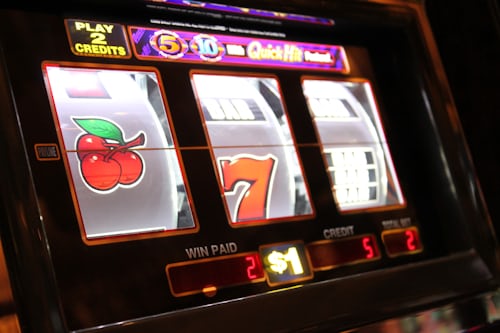
Moreover, this belief can escalate to a cycle of chasing losses, where players increase their bets in hopes of recouping losses based on the false notion of “it’s my turn to win.” This not only affects their bankroll but can also impact their overall experience, transforming what should be a fun activity into a frantic pursuit of recovering losses, which seldom ends well.
The Idea of Casino Bonuses as Free Money
Casino bonuses are often touted as incredible opportunities to play for free, but this misconception can mislead players regarding their true value. While it’s true that bonuses can enhance a player’s budget, they often come with terms and conditions that make it challenging to realize their value. Understanding wagering requirements is critical; for example, a bonus that requires a player to wager their deposit and bonus amount several times before withdrawal can significantly diminish the perceived benefit.
Additionally, players might be lured into signing up for bonuses without understanding those intricate terms. A large bonus may seem appealing, but if it comes with stringent conditions that are nearly impossible to meet, it can lead to frustration. Savvy players will carefully review the fine print of any promotional offer, ensuring they know what is required before taking advantage of a bonus. This level of scrutiny can determine whether a bonus is genuinely beneficial or simply a marketing tactic.
Moreover, some players fail to recognize that bonuses typically apply to specific games only. For instance, a bonus for slots may not be usable for table games, limiting the player’s options and enjoyment. By approaching bonuses with a clear understanding and realistic expectations, players can make informed decisions that enhance their gaming experience rather than hinder it.
The Illusion of Control Over Games
A significant number of players believe they can control outcomes in casino games through various means, such as focusing on specific numbers or patterns. This belief is particularly prevalent among those who play games like blackjack or roulette. Many players think they can influence the result by their choices, such as when to hit or stand in blackjack. Although players’ decisions do impact the odds in games of skill, the core outcomes still rely heavily on chance and randomness.

For example, while a skilled blackjack player can optimize their chances by doubling down or splitting pairs, the dealer’s hand fluctuates independently of the player’s actions. This illusion of control can lead to overconfidence, wherein players mistakenly believe they can alter results based on their choices. Recognizing the distinction between decision-making power and the underlying randomness is vital for maintaining a healthy perspective on gambling.
In addition, the reliance on superstition can further cloud judgment, prompting players to adopt rituals or lucky charms. While these behaviors may add to the enjoyment of the gambling experience, they do not impact the game’s mechanics. Ultimately, the key is to engage in gambling with the understanding that while skill can enhance your play, the outcomes are largely determined by luck, and no amount of belief can change that reality.
Understanding the Casino Landscape Online
With the rise of online gaming, players often find themselves misinformed about the differences between land-based and online casinos. Many assume that online games are rigged or not fair, which contributes to skepticism regarding virtual gambling platforms. In reality, reputable online casinos are regulated and utilize certified random number generators to ensure fairness and transparency. Players should be aware that these regulations protect them just as much as they would be in a physical casino.
Moreover, the convenience of online casinos cannot be overlooked. Players can enjoy a vast selection of games without the need to travel, which opens up gambling to a wider audience. Unlike traditional venues that might limit variety, online platforms often feature hundreds of game options from various developers, making it easy to find games that suit individual preferences. With this variety comes the opportunity for players to discover new game mechanics and styles that they may not have encountered in physical establishments.
However, it is essential for players to research and choose trustworthy online casinos. They should check for licensing information, read reviews, and understand the terms and conditions of the site. This diligence ensures a safe and enjoyable gaming experience, effectively debunking the common myth that online gambling is synonymous with fraud. By understanding the online casino landscape, players can enhance their gaming experience and enjoy the many benefits it offers.
